
The Risks and Potential Outcomes of PMMA for Penis Enlargement
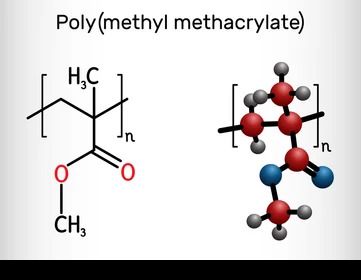
Penis enlargement remains a highly sought-after but controversial topic in men’s health and cosmetic procedures. Among the injectable options, polymethylmethacrylate (PMMA) stands out as a semi-permanent or “permanent” filler promoted for girth enhancement. Marketed under names like Bellafill (FDA-approved for facial use) or other formulations like Metacrill or Lipen-10 mixtures, PMMA consists of tiny non-absorbable microspheres (of plastic) suspended in a carrier gel. These microspheres stimulate collagen production and remain in the tissue long-term.
While some clinics report impressive girth gains and high patient satisfaction in select cases, the procedure carries notable risks. Medical societies like the Sexual Medicine Society of North America (SMSNA) express caution about cosmetic penile enhancements, particularly permanent fillers, due to limited high-quality long-term data and potential for serious complications. This post examines the science, potential benefits, documented risks, and key considerations for anyone exploring PMMA injections.
How PMMA Works for Penile Girth Enhancement
PMMA is injected into the subcutaneous tissue of the penile shaft to add volume. The microspheres (typically 30-50 microns) are biocompatible but non-resorbable, meaning the body doesn’t break them down. The initial carrier (often collagen or dextran) provides immediate volume, while the microspheres trigger a controlled foreign-body reaction that encourages new collagen formation around them. This aims to create a stable, natural-feeling augmentation.
Procedures typically involve multiple sessions spaced weeks or months apart. Providers often recommend 10-20+ mL total volume, depending on goals and anatomy. Unlike temporary fillers such as hyaluronic acid (HA), which can be dissolved with hyaluronidase, PMMA is difficult or impossible to remove non-surgically.
Potential Positive Outcomes
Proponents, including some studies from clinics offering the procedure, highlight several benefits:
- Significant Girth Increase: One 2016 study of 729 patients using PMMA-based fillers reported an average girth increase of about 3.5 cm (from ~10.2 cm to 13.7 cm flaccid circumference) after 1-3 sessions—a roughly 134% increase in some measurements. Penile length also showed modest gains (about 0.7 cm on average) attributed to the added weight and stretching.
- Longevity: Results are often described as permanent or near-permanent, with good volume retention reported at 18 months or longer in some follow-ups. In one prospective comparison, PMMA provided greater girth augmentation at 24 weeks than HA or polylactic acid (PLA).
- Patient Satisfaction: In the large 2016 series, overall satisfaction averaged 8.7/10. Many men reported improved confidence and sexual satisfaction. Irregularities were noted by about half but often described as non-problematic.
These outcomes appeal to men with body image concerns or “small penis syndrome,” where psychological distress drives the desire for change. When performed by experienced, board-certified urologists or plastic surgeons using regulated products like Bellafill, some clinics emphasize low serious adverse event rates in their cohorts.
The Risks and Complications: A More Cautious Picture
Despite promotional claims, independent reviews and broader medical literature paint a riskier profile for PMMA in the penile area. The penis’s unique anatomy—thin skin, high mobility, vascularity, and involvement in sexual function—amplifies complications compared to facial use.
Common Issues:
- Surface Irregularities and Nodules: Up to 52% of patients in some reports notice lumps, bumps, or uneven texture. These can feel unnatural during erection or intercourse. Nodule (uneven clumps/bumps) formation often requires surgical removal, especially in uncircumcised men.
- Granulomas and Chronic Inflammation: The foreign-body reaction can lead to inflammatory nodules (granulomas) months or years later. An integrative review of 587 PMMA complications (mostly non-penile) found granulomas in 21% of cases, along with erythema, pruritus, and edema.
- Migration: The material can shift to the scrotum, suprapubic area, or elsewhere due to movement and pressure, causing asymmetry, deformity, or phimosis (tight foreskin).
Serious Complications:
- Infection and Necrosis: Bacterial infections can lead to abscesses, tissue death (necrosis), and in extreme cases, Fournier’s gangrene or sepsis. Delayed presentations (months to years) complicate management.
- Pain, Erectile Dysfunction, and Sensory Changes: Chronic pain during erections, reduced sensitivity, scarring, or curvature can impair sexual function. Migration or fibrosis around neurovascular structures exacerbates this.
- Need for Surgical Intervention: Many complications require excision, debridement, skin grafts, or even more extensive reconstruction. Complete removal is challenging and can result in further tissue loss, shortening, or deformity.
- Systemic Risks: Rare but documented cases include severe inflammatory responses leading to broader issues, though most data come from non-genital uses.
Complication rates vary widely by study, provider skill, volume injected, and product quality. Some clinic-specific reports claim rates as low as 0.4%, but broader reviews (including systematic analyses) suggest 10-60% over time, with higher risks for permanent fillers versus temporary HA. Unregulated or black-market “PMMA” (sometimes mislabeled silicone or other substances) dramatically increases dangers.
The FDA has not approved any fillers specifically for penile augmentation; use is off-label. Bellafill is approved only for facial wrinkles and acne scars.
Comparison to Alternatives
- Hyaluronic Acid (HA): Temporary (6-18+ months), reversible, lower complication rates (~5% or less in experienced hands), but requires maintenance. Often preferred for safety.
- Polylactic Acid (PLA): Semi-permanent, stimulates collagen but with different risk profile.
- Surgery/Fat Transfer: Higher invasiveness, variable resorption, scarring risks.
- Non-Invasive (Pumps, Traction): Minimal gains, risk of injury if overdone.
- Patented Malehanger penis weight hanger: almost non of the above risks, high percentage of customer satisfaction, sold worldwide since 2012.
SMSNA and similar bodies recommend against permanent fillers outside research protocols and stress psychological evaluation beforehand.
Key Considerations and Recommendations
- Choose Providers Wisely: Only consider board-certified specialists (urologists or plastic surgeons) experienced in genital procedures. Verify the exact product (e.g., genuine Bellafill with documentation). Avoid med-spas, non-physicians, or “penile bioplasty” clinics with aggressive marketing, especially abroad.
- Realistic Expectations: Gains are primarily girth-focused. Results vary by individual healing. Psychological benefits are not guaranteed.
- Informed Consent: Understand permanence means potential lifelong issues. Ask about reversal options (limited), long-term follow-up, and complication management plans.
- Cost and Follow-Up: Multiple sessions are expensive; revisions add more. Long-term monitoring is essential.
- Alternatives First: Address body image through counseling, therapy, or less invasive options. Many men overestimate “normal” size; average erect length is around 13.1 cm (5.16 inches) according to studies.
Conclusion
PMMA offers the allure of lasting girth enhancement, with some patients achieving satisfying cosmetic and functional improvements. However, the potential for irregularities, granulomas, infections, migration, chronic pain, and difficult-to-treat complications makes it a high-stakes choice. Medical literature underscores unpredictability in the penile environment, and major societies urge caution due to insufficient rigorous, long-term data.
If considering PMMA or any penile enhancement, consult a qualified sexual medicine specialist for a full evaluation. Prioritize safety, evidence, and holistic well-being over quick fixes. True confidence often comes from acceptance, health optimization, and realistic perspectives rather than procedures alone. Always seek multiple medical opinions and avoid unverified online promotions. Men’s sexual health deserves careful, informed approaches—not shortcuts with irreversible risks
